Protecting Huntingfield habitat
More than 8 000 native plants will be planted on almost 12.5 ha of the Huntingfield subdivision as part of the Rehabilitation and Revegetation Plan.
Homes Tasmania is implementing a major strategy to extend and protect the natural habitat for local flora and fauna, including the endangered forty-spotted pardalote, in the Huntingfield subdivision.
The Rehabilitation and Revegetation Plan negotiated under the Environment Protection and Biodiversity Conservation Act 1999 will provide significant protections for the site.
Once completed, it will connect the Huntingfield subdivision with the Peter Murrell Conservation Area providing a wildlife corridor and protected habitat for native fauna, with a particular focus on the forty-spotted pardalote.
The Huntingfield site contains significant Aboriginal artefact scatter, and the strategy will also ensure the conservation of those artefacts.
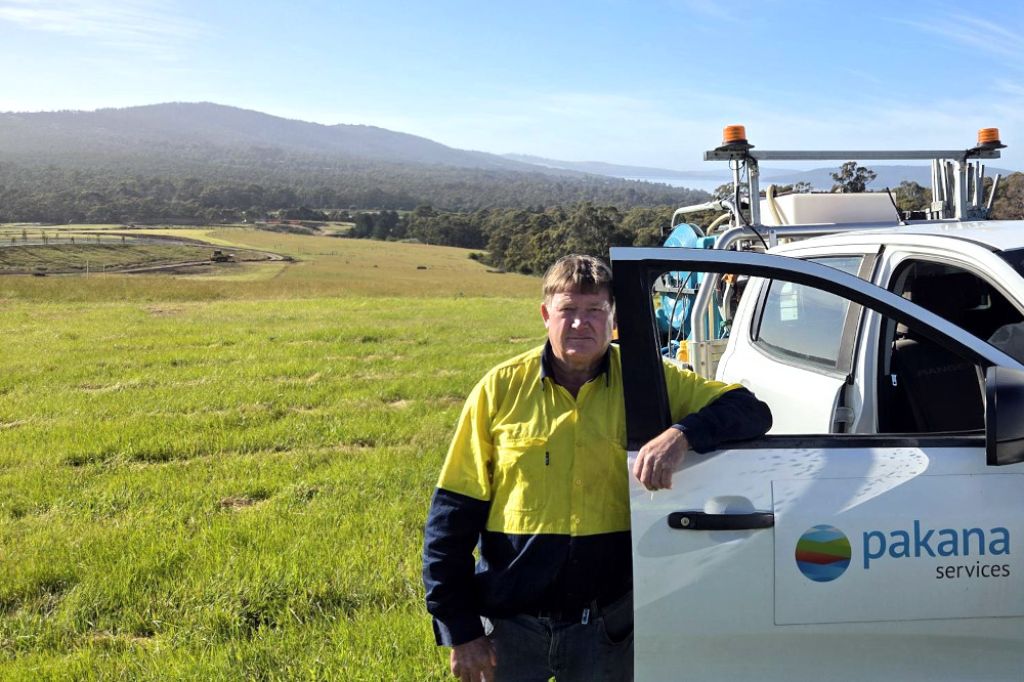
Local Aboriginal land management business, Pakana Services, working closely with native seed and plant nursery Wildseed Tasmania, are delivering the conservation work.
Wildseed Tasmania has collected local plant seeds that will be used for propagation and revegetation beginning next autumn.
Revegetated and rehabilitated areas will be subject to an irrevocable conservation covenant ensuring new habitats have enduring protection.
The installation of permanent fencing will ensure newly established habitats are protected.
A planned cat management covenant will provide further protection to local fauna by prohibiting cats from the subdivision unless approved by the Kingborough Council and prohibiting cats on all public land in the subdivision.
The Rehabilitation and Revegetation Plan is designed to support the ecological health of the site by restoring native vegetation and enhancing habitat values. It will help mitigate the impacts of future development by offsetting vegetation loss, managing invasive species, and improving conditions for native fauna.
The plan includes significant annual monitoring of progress to rehabilitate the site with annual visual inspections, photos, surveys and compliance reports for the first six years of establishment.